
Is Hong Kong’s celebrity-driven ‘fan economy’ a game changer, or a bubble about to burst?


She spent heavily on concert tickets and products recommended by her idol, participated in fan activities, and followed him to performances and events abroad.
In May, she spent more than 9,000 Hong Kong dollars ($1,150) on a four-day trip to Malaysia to watch Keung perform just 15 minutes at a music festival.
Members of Hong Kong boy band Mirror will perform solo concerts this summer
Last month, she spent more than HK$8,000 traveling to Taipei for the three-day premiere of “My Heavenly City,” a film starring Keung. The star was greeted by thousands of fans, many from Hong Kong.
Wong’s expenses included about HK$4,200 for a single movie premiere ticket in Taipei and Hong Kong as well as souvenirs, apart from airfare, transportation, hotel and food expenses.
“I saw the film three times in Taipei and plan to watch it again and again in Hong Kong,” she said.
Film producer David Tang was stunned by the overwhelming response and joked that the Hong Kong star had transformed Taipei’s vibrant Ximending shopping district into “Keungtoding.”
Fans donate tram rides and advertisements to celebrate Keung To’s birthday in April. Photo: Dickson Lee
“The results speak for themselves”
Mirror’s fans in Hong Kong have never shied away from showing their passionate support by, for example, placing birthday advertisements around the city, sponsoring free tram or ferry rides on special occasions, stocking up on products recommended by the band members, etc Raised money for charity in the name of the stars.
The phenomenon has sparked talk of a “fan economy” and its impact on the city’s ongoing efforts to recover from the pandemic.
Hype, celebrities and talk of easy money: a look behind the JPEX scandal in Hong Kong
A host of other celebrities have gained traction by endorsing products, and advertisers who have chosen singers, actors and key opinion leaders (KOLs) to host their marketing campaigns say the response speaks for itself.
According to advertising monitoring firm admanGO, more celebrities were hired to endorse products and the number of brand posts on Instagram nearly doubled in the first eight months of this year compared to last year.
Among those who invested the most advertising money in celebrity endorsements were cosmetics company Shiseido and insurer FWD, both of which chose the Mirror band boys for their campaigns, as well as fashion house Chanel, which hired more than 200 influencers to advertise committed his products.
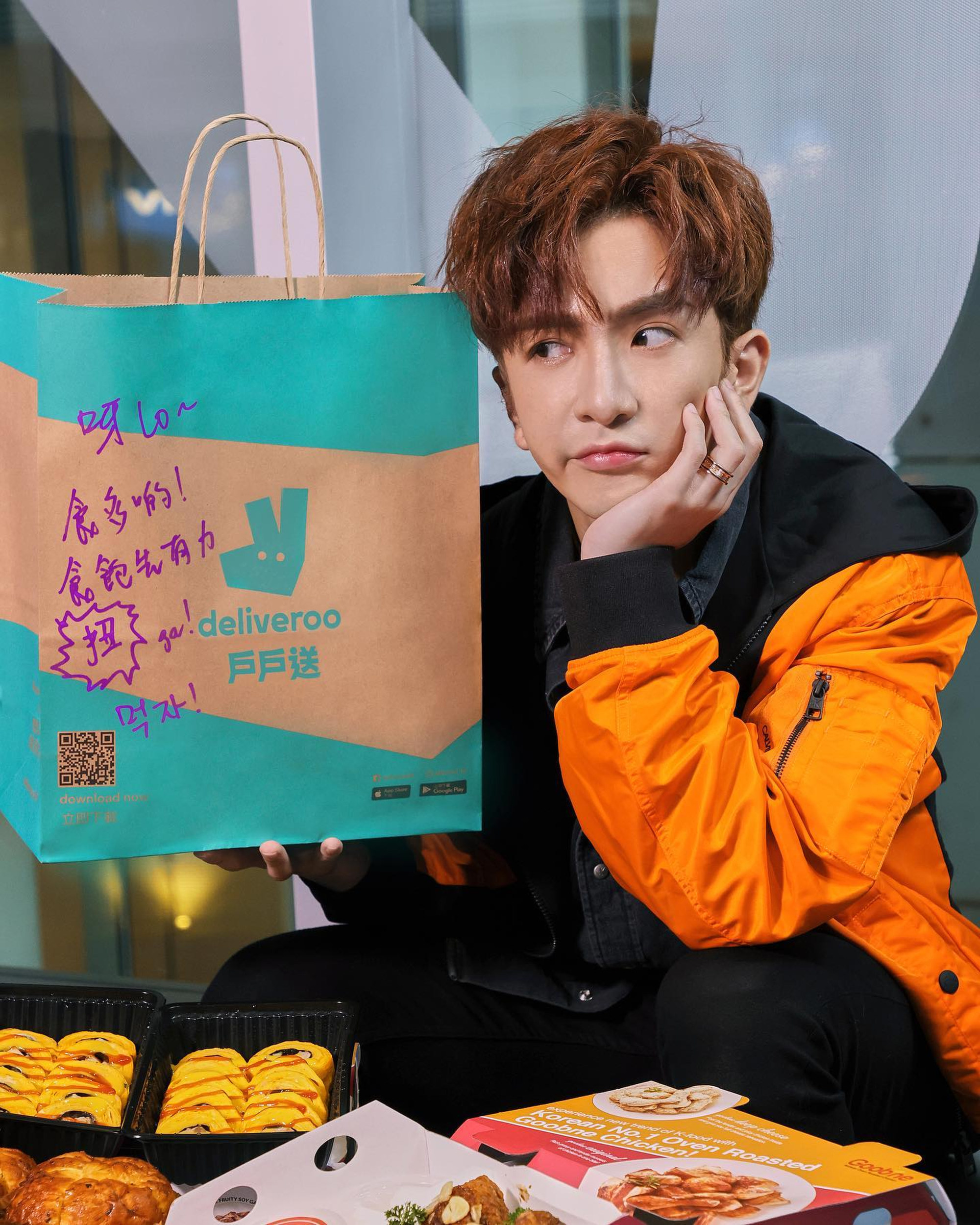 Mirror member Anson Lo is another sought-after brand endorser. Facebook/Anson Lo
Actress Grace Chan, Mirror members Edan Lui and Anson Lo emerged as the three most sought-after brand endorsers due to their strong fan base of trendy young people. Actress Elva Ni came fourth ahead of Keung To.
“The popularity and notoriety of the celebrity can easily help boost sales of products and services. The fan clubs also support the sales of certain products,” said Jennifer Ma, director at admanGo.
Can Hong Kong boy band Mirror win back disappointed fans?
But she said celebrity endorsements could have a downside as stars’ personal lives could affect their brand image and using the same celebrity to endorse different brands could also backfire.
“It can be confusing for consumers when the same celebrity becomes the spokesperson for many different brands,” she said. “Brands that only use one celebrity over a longer period of time help the advertising impact last longer.”
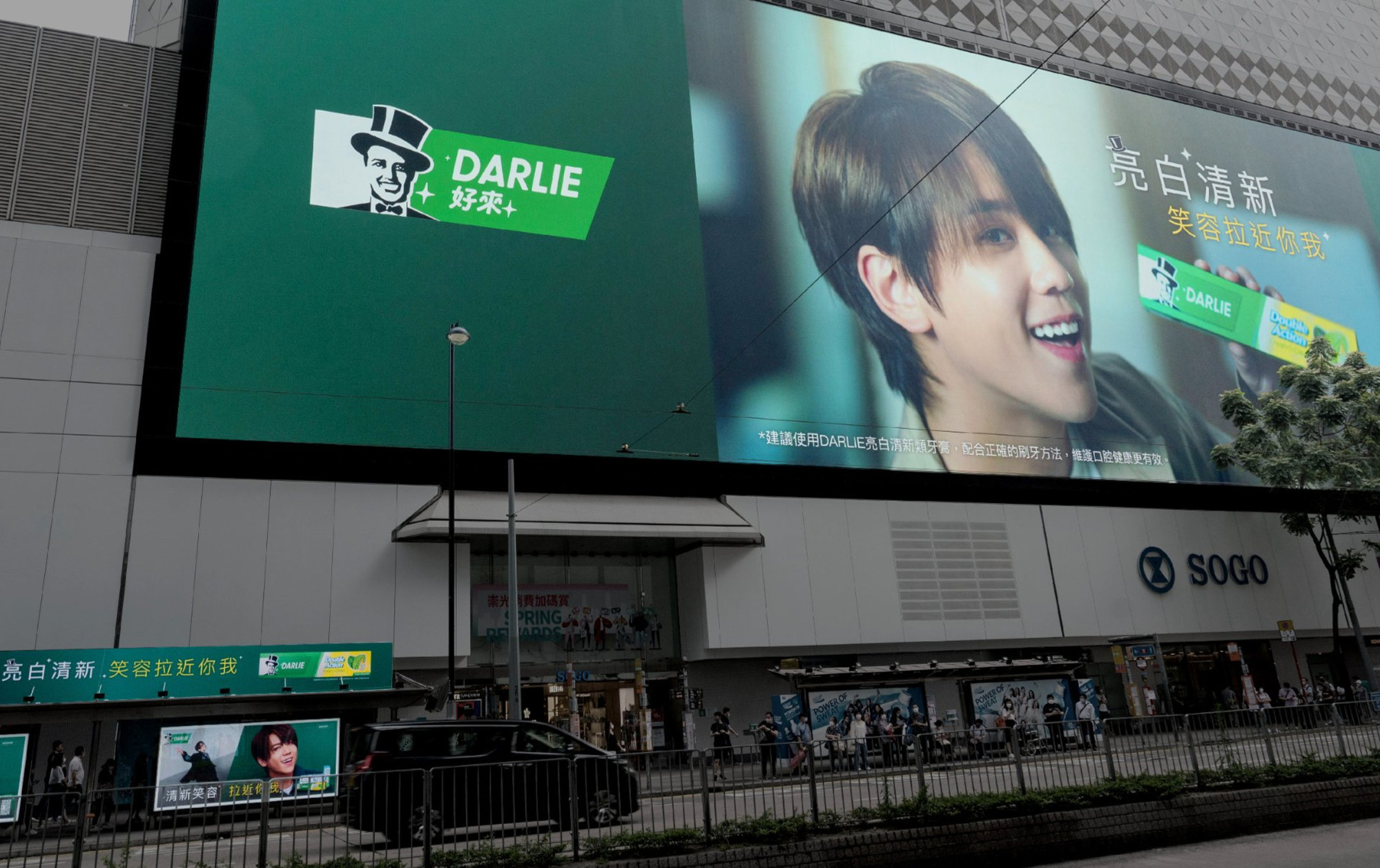 Brands in Hong Kong are quickly capitalizing on the star power of some celebrities, but critics say the pie is limited and Mirror’s best days are over. Photo: Facebook/Darlie Hong Kong
Companies that have used celebrities and those that have benefited from the power of fans expressed satisfaction with the impact such personalities made.
Hong Kong Tramways said it raised HK$1 million each time fans sponsored a free ride day, such as on Keung To’s birthday on April 30.
This was so popular that other companies followed suit and the tram operator had twelve free travel days last year. The sponsorships proved to be an important additional source of income, it was said.
Darlie Hong Kong, which chose Keung To for its toothpaste advertising campaign early last year, reported improved sales and brand awareness.
Jeff Cheng, the company’s marketing director, was pleased with the results: “We also hoped to leverage its popularity to revitalize our brand image and attract younger customers.”
Hong Kong fans can secure 14,000 free tickets for the Harbor Chill Carnival within minutes
The HSBC bank, which featured Keung in an advertising campaign aimed at younger people in 2021, said the number of customers aged 18 to 34 had increased this year and millennials accounted for more than half of new customers for the star-recommended service.
Delivery platform Deliveroo used Mirror member Anson Lo for a two-part campaign in which the star designed exclusive accessories such as straws and coasters.
A spokesman said: “Both were well received by his fans and we received more than 50 media coverage, strengthening our brand presence in the market.”
He said the company would continue to explore collaborations with various artists in Hong Kong.
Is celebrity support waning?
The celebrity endorsement trend has its doubters, who don’t believe the “fan economy” is having a real, lasting effect on the broader Hong Kong market.
Tsang Kam-keung, CEO of advertising group The Bees, believes the trend is declining and even Mirror’s best days as a product endorser may be over.
Mirror rose to prominence after winning a talent competition in 2018, which attracted thousands of fans ranging from children and teenagers to women in their 60s.
Endorsement deals have been numerous, and in 2021 alone the band promoted no fewer than 180 brands for everything from banks to telecommunications companies and supermarkets to fast food and human papillomavirus (HPV) vaccines.
So long, So Ching: Girlfriend of injured Hong Kong dancer leaves band due to trauma
Then tragedy struck during a concert in July last year when a huge LED screen fell and hit two dancers, seriously injuring one.
Tsang said: “The Mirror Effect peaked in mid-2022, just before the horrific Hong Kong Coliseum incident. It has been shrinking ever since.
“Some advertisers have told me that the impact of their celebrity endorsements has declined as sales have not improved. The number of their advertising contracts has also decreased.”
Tsang also noted that celebrity endorsements have become more diverse as advertisers use different stars and KOLs instead of focusing on Mirror members.
“The outbreak of the Mirror phenomenon could be due to the pandemic when people were forced to stay in Hong Kong. The enthusiasm of fans could easily wane as normalcy returns to the city,” he said.
Vera Yuen Wing-han, a lecturer in political economy at the University of Hong Kong, said the “fan economy” is a minority economic activity with no real impact.
“The city’s fan economy can only grow if the overall economy flourishes, not the other way around. If the economy is bad, fans will obviously stretch their wallets,” she said.
She agreed that Mirror’s best days as a product endorser may be over, saying Hong Kong stars need to improve their international appeal to increase their economic value and impact.
She said South Korean girl group Blackpink and boy band BTS are examples of acts that have achieved widespread popularity across borders. Mirror, on the other hand, wasn’t even popular in mainland China.
“Without international reputation, they cannot even act as ambassadors to promote tourism or attract foreign visitors to Hong Kong,” Yuen noted.
Thousands gather for Hong Kong star’s birthday, but expert warns of risks from Covid-19
Associate Professor Billy Mak Sui-choi from Baptist University’s Faculty of Accounting, Economics and Finance also did not believe Hong Kong’s fan power could boost the overall economy.
“The pie is only so big,” he said. “If a company gets a larger market share through the use of a celebrity endorser, other companies in the same industry get a smaller market share.
“Celebrity endorsements won’t make the cake bigger. Only when artists expand their fan base to Asia will the market get bigger.”
Lawmaker Andrew Lam Siu-lo said the government can use a variety of idols in different sectors to promote the development of a particular industry or target different markets.
“Celebrity endorsements don’t have to focus on the entertainment industry. It can be industry specific. For example, a sports idol can be hired to promote the sports industry. We don’t need to focus on Cantopop stars to support celebrities,” he said.
“We have many celebrities who are very popular on the mainland. The government can use them to attract tourists or investors on the mainland. The government should target market audiences before formulating a targeted strategy to attract businesses and capital.”
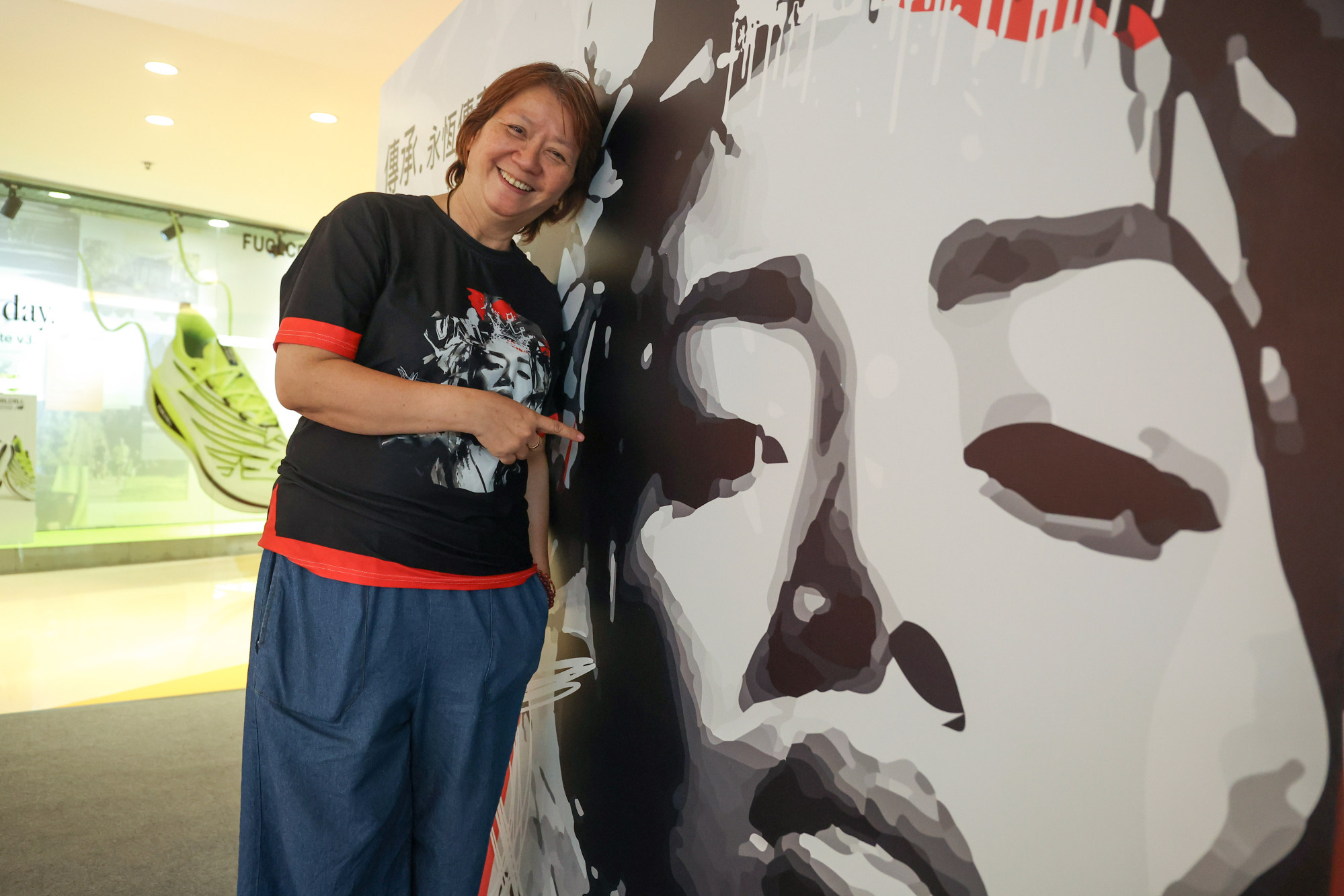 Eva Ng, a fan of late Cantopop diva and actress Anita Mui, has no regrets about the huge sums of money she spent to keep the star’s legacy alive. Photo: Edmond So
The devotion of some fans never dies
Long before anyone was talking about influencers and rich celebrity endorsements, accountant Eva Ng Wai-han was an avid fan of Cantopop diva and actress Anita Mui Yim-fong, who died of cancer in 2003 at the age of 40.
Ng, 60, was among those who founded the 1,000-strong Mui Nation fan club in 2007 and is now its vice-chairman.
Thanks to fan power, the club has been able to implement numerous projects over the years, including the installation of a two-meter-tall bronze statue of Mui on Hong Kong’s Avenue of Stars at Tsim Sha Tsui Harbour.
The group raised more than 5 million Hong Kong dollars to produce a film in 2019 called “Shi Fang,” based on fans’ memories of Mui. A film festival featuring Mui’s films is taking place this month, with 26 screenings at Moko Cinema in Mong Kok until October 25.
To mark the 20th anniversary of the star’s death on December 30, the club is hosting an orchestral performance of Mui’s songs at the Polytechnic University.
“None of this was easy for us. Over the years, we have raised more than HK$10 million and I had to spend my own money to pay for many expenses,” said Ng.
Despite spending more than HK$1 million of her own money on club activities, she said she has no regrets.
“I spent all my savings on the fan club projects and that’s why I stayed single,” she said with a laugh. “But I am glad that I have done so much for Mui with like-minded people. I believe I have lived a meaningful life by keeping her legacy alive.”
*Name changed at the request of the interviewee
Comments are closed.