


By Clare Witts, Head of APAC Market Structure, Credit Suisse
Hong Kong’s role as a connector will get a boost with the forthcoming expansion of Stock Connect
The new multi-million dollar global marketing campaign “Hello Hong Kong” includes freebies for airline tickets, big-name events and shopping vouchers. But as the city reconnects with the world after several difficult years, a major policy change regarding stock trading will soon provide a real boost. Details were recently announced of an expansion of Stock Connect, which is expected to add around 950 Chinese companies to the northbound connection and allow more Hong Kong-listed companies to be accessed from China towards the southbound. For international investors, this opens up new opportunities and considerations for trading.
Clare Witts, Credit Suisse
Stock Connect has been operating in much of its current form since 2018, when the daily quotas were relaxed, with small incremental improvements since then. The QFII program has attracted a steady stream of applications from international investors, mainly due to the wider range of stocks that can be accessed. However, the significant administrative burden of setting up and managing a QFII license means it is not a viable channel of entry for many. Mainly for this reason, only Chinese stocks that can be traded through Connect are included in indices maintained by the major global index providers.
Expanding Stock Connect has been high on traders’ wish lists to provide an easy way to access more investment opportunities in China given the increasing focus on the larger stocks accessible northbound, both active and active passive money. With net inflows on Northbound Connect at an all-time high in January 2023 (see Figure 1), the significant stock diversification on the platform is both timely and valuable.
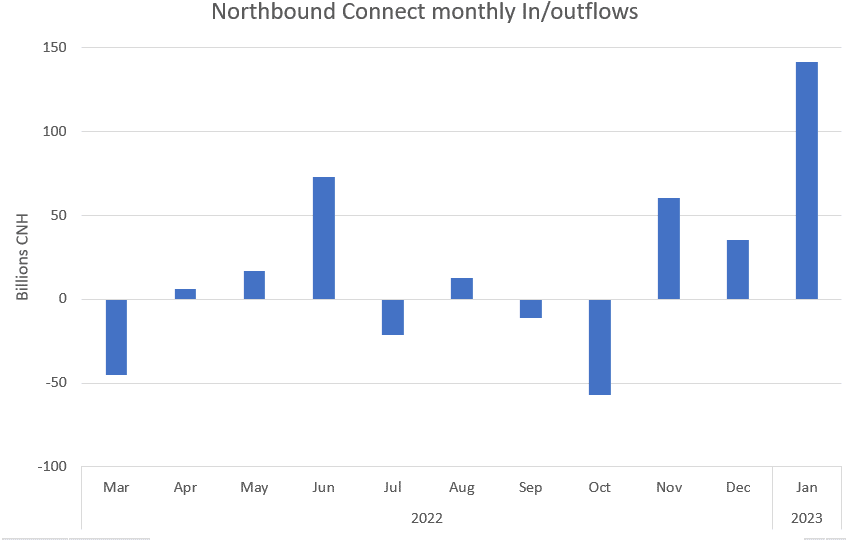 Figure 1 Source: The BLOOMBERG PROFESSIONAL™ Service, Credit Suisse
Approximately 950 names (at the time of publication) will be added by the end of Q1 2023, bringing the total to nearly 2,500 A shares in Connect trading. The new additions include many mid- to small-cap names, so while this can bring another 15-20% of A-share market cap and revenue into scope, the benefit of adding this number of new shares is far greater is:
- First, it creates more potential alpha opportunities for active managers and systematic funds, especially given the predominantly retail onshore base;
- Second, when a stock is added to Connect, it can then be included in relevant indices based on its eligibility criteria – analysis by Credit Suisse shows this change is likely to add over 30 names to MSCI’s GIMI index and 150 to the FTSE GEIS , Driving Index Rebalance Trading Over $2B Value; And
- Third, this has implications for ETF Connect – after a fanfare start, the number of ETFs traded on Northbound Connect has remained limited, in part due to the criteria that 80% of the underlying constituents must be tradable on Stock Connect. Expanding the underlying stocks can open up a number of potential new ETF products.
A rule change for southbound eligibility also steers the Hong Kong market in new directions. The inclusion of international companies with a Hong Kong listing on Southbound Connect gives them access to new audiences in mainland China, both for capital raising and marketing. Gaining listings from oil companies, luxury goods brands and international tech companies could help diversify Hong Kong’s current status as a proxy for mainland China and, more importantly, would create differentiated investment opportunities for the trillions of yuan likely to come from China’s growing economy Domestic financial services market will come in the next few years. If successful, it could start a virtuous circle that Hong Kong has been trying to break for some time. Sometimes referred to as a “one-trick pony” with a concentration of Chinese onshore companies, a greater variety of IPOs would bring down more onshore investment through Connect and more international investment from offshore, boosting revenue.
There are some chicken-and-egg market structure challenges with this approach, most notably the market’s lack of capacity to accommodate mega-caps and provide sufficient liquidity. This is partly due to a narrow range of different market participants, which in turn is driven by the relatively high overall cost of trading: High stamp duty costs and other market charges deter some institutional investors and contribute to a large extent to retail investment in derivative warrants rather than cash stocks. Finding institutional-size block liquidity also remains a challenge, as tight regulatory controls around Alternative Liquidity Pools (ALPs or Electronic Dark Pools) have limited volume growth in recent years.
Nonetheless, over the past year there has been a steady transition in sales from Hong Kong/US listed companies to Hong Kong equity holdings (Figure 2), suggesting that the current Hong Kong market structure is not a deal breaker when the underlying value proposition of the investment is strong is to increasing trading volume. And with additional changes this year to reduce the number of holidays on which Stock Connect is closed, as well as the introduction of RMB/HKD dual-counter trading as a further incentive to attract sales from mainland Chinese investors, the short-term momentum is the market development positive .
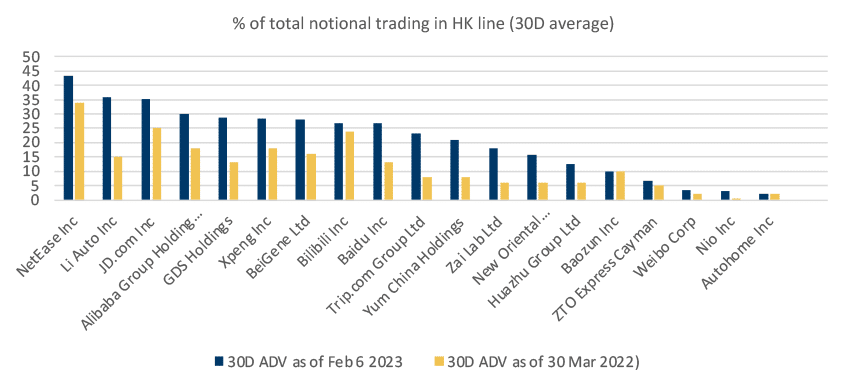 Figure 2 Source: The BLOOMBERG PROFESSIONAL™ Service, Credit Suisse
Geopolitics will continue to be a significant factor in Hong Kong’s role as a link between China and the world, and there are still many layers of potential market structure reforms. However, the current commitment to Connect as a two-way capital access channel is only accelerating, creating some of the most compelling investment and trading opportunities in Asia Pacific this year.
Learn Crypto Trading, Yield Farms, Income strategies and more at CrytoAnswers
https://nov.link/cryptoanswers
Comments are closed.